Riga City Theatre
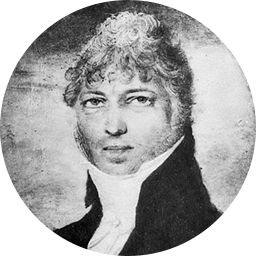
The Riga City Theatre opened on 15 September 1782. Commissioned by Baron von Vietinghoff, architect Christoph Haberland designed the first purpose-built theatre building in Riga. This neoclassical house stood between the former city wall (later Wallstraße / Vaļņu iela) and today’s Richard Wagner Street, right by the rampart. An existing warehouse was converted into the auditorium, while a new wing housed the entrance and social rooms. Across three centuries, the building has witnessed decisive moments in Riga’s theatre and musical life.
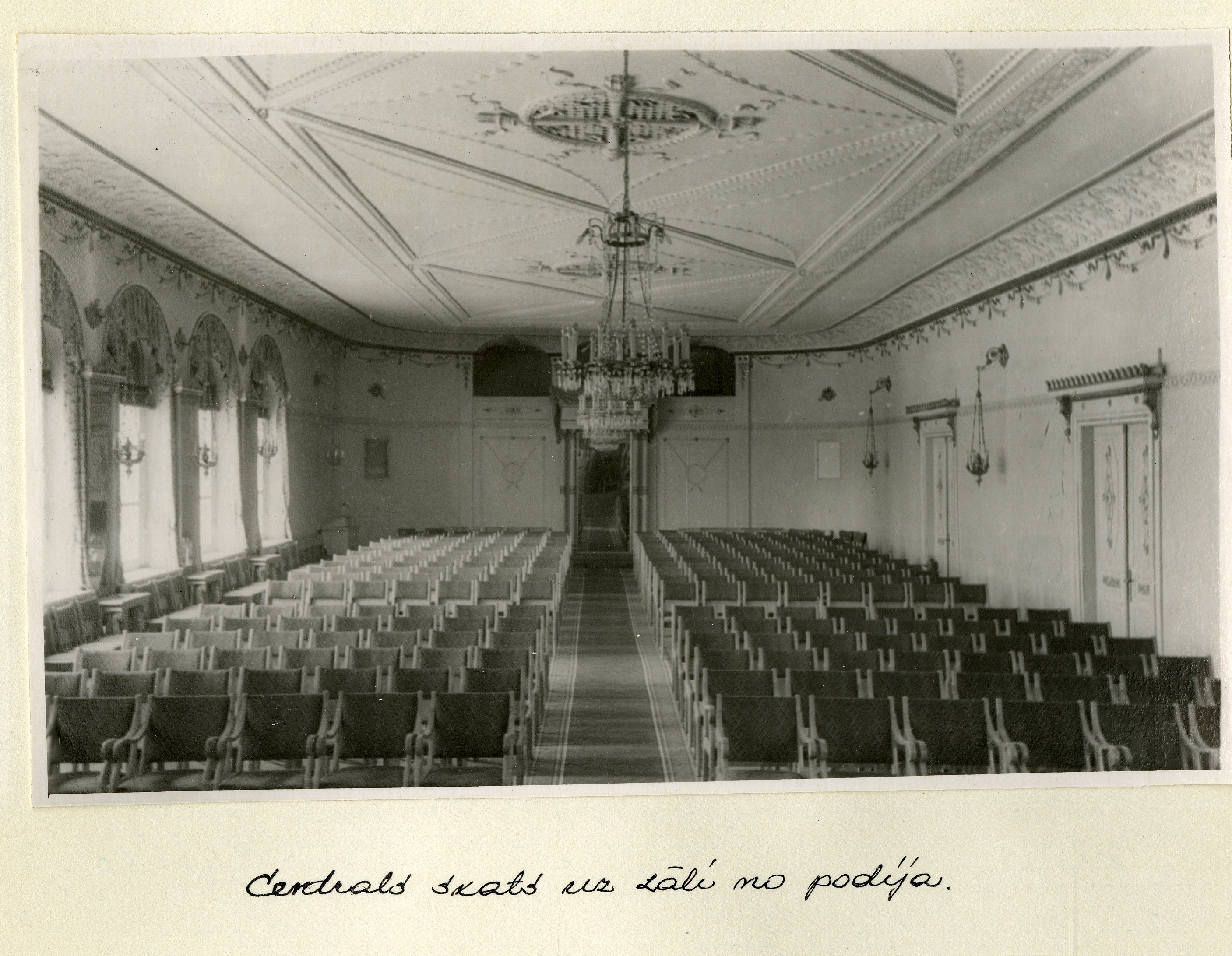
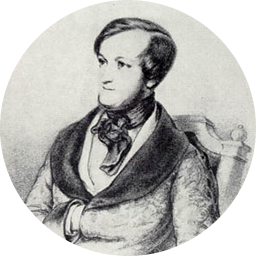
The concert hall had three levels, including a balcony and gallery. Exact seating capacity is not preserved, but sources suggest roughly 500–600 seats. Richard Wagner, who conducted in Riga from 1837 to 1839, praised the rising rake of the seating, the deep orchestra pit and the semi-dark auditorium—principles he later applied at the Bayreuth Festival Theatre. In this sense, the Riga theatre influenced theatre architecture in the 19th and 20th centuries.
For almost a century the theatre—hosting drama, opera and ballet companies—was a centre of Riga’s cultural life. In its first 1782/83 season it had 120 subscribers: an exclusive audience, as servants and other “common” visitors were not admitted. From its earliest decades its repertoire kept pace with leading European, especially German, theatres, and countless European virtuosi performed there. A true flowering of opera in Riga began after renovations in the mid-1830s, when the young Richard Wagner served as conductor from 1837 to 1839.
Performances in the building ended in 1863 with the opening of the present National Opera house. The old auditorium was rebuilt and built over several times and has not survived. Much later, in 1988, the upper floor—where the German society “Musse” had met before World War II—was restored and the ballroom adapted for chamber concerts.
From 1988 to 2007 the historic house was known as the “Wagnersaal”, with a concert hall on the upper floor. Concerts had to stop in 2007 as the technical condition of the building deteriorated.
The society’s aim is to restore this place of origin in European cultural history.