Overview
About the project
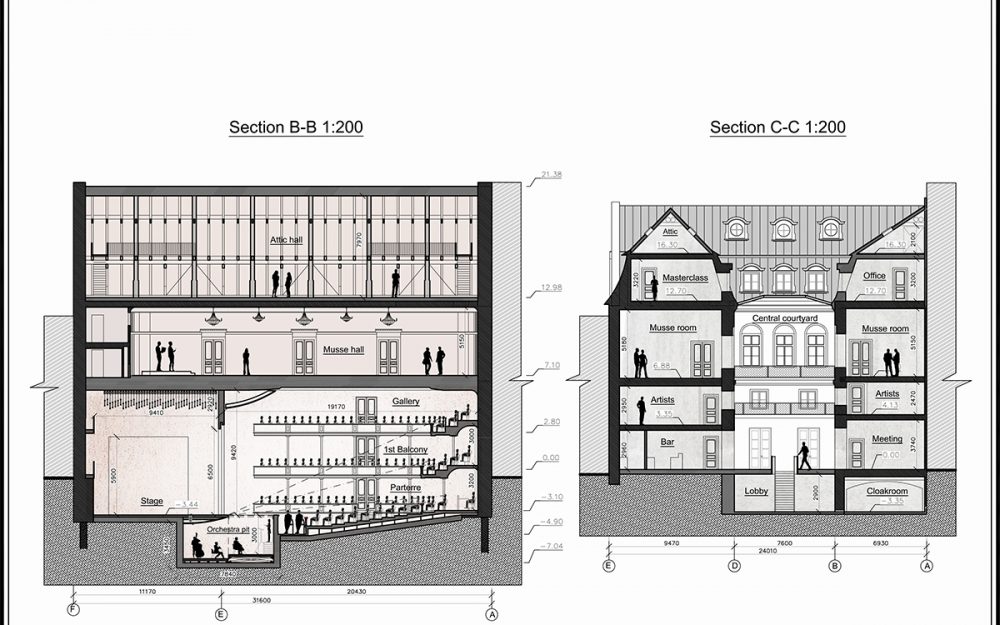
The building is function-driven architecture: stage and auditorium, circulation, volume and acoustics form a single whole. Restoring that functional logic is central to the project—returning the house to its intended role as a place for performance and shared cultural experience.
Vision
Our aim after restoring the Wagner theatre house is to fill it with new, contemporary content.
Wagner’s goal was an equal union of all arts. He explored the structural foundations for that during his Riga years, and it is fair to say that Riga was the starting point for the all-embracing approach characteristic of his work.
Under the banner of “GesamtkunstWerk 21” the building will serve many needs and highly diverse combinations.
Beyond theatre performances, concerts and the Wagner museum, the house will become “GesamtkunstWerk 21”—an incubator for works of art created together in the 21st century. Classical artists will work alongside creative people from many fields in this “factory” (Werk) to create something entirely new. In this way—and very much in Wagner’s spirit—a new joint work will emerge every year.
Masterclasses will be held in music and other arts. Internationally recognised masters will teach students from Europe and the world. Participants will be able to live and work in a building comparable to the Massimo villa in Milan supported by the German government.
The rebirth of the Riga German theatre will stand as a symbol of European cultural and political history, uniting and reconciling people; it will serve as a beacon in north-eastern Europe.
Cultural events
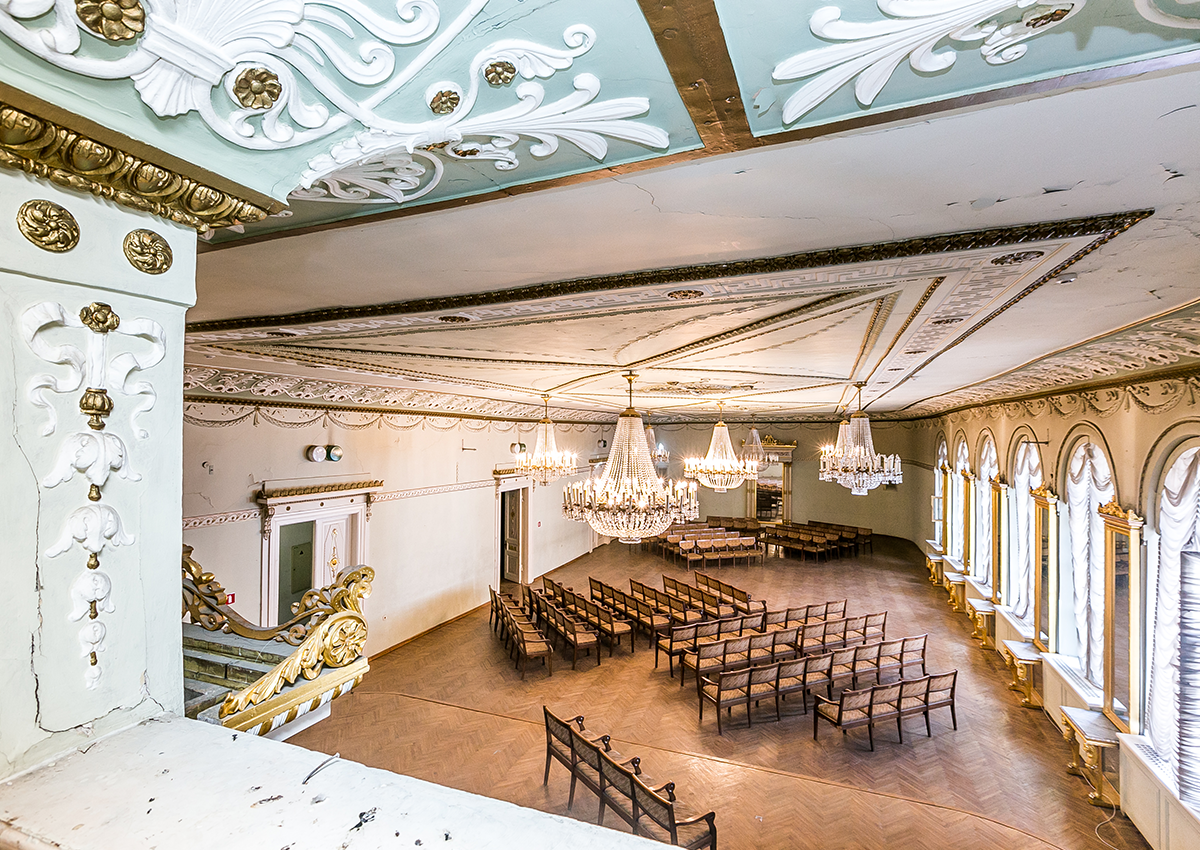
In Wagner’s time the theatre chiefly staged three genres: opera (including comic opera and operetta), drama and ballet, with occasional small concerts. After the Wagner Hall is restored, the house will host a wide range of cultural events.
- small-scale musical theatre (e.g. Kurt Weill, Bertolt Brecht and similar plays with music, musicals, experimental musical shows, operettas, early opera from the Baroque and Renaissance);
- staged concerts (today’s small Riga concert halls lack a stage suited to theatrical staging);
- small-form drama (from monologues to pantomime);
- chamber concerts, especially early music, for which the historic hall will add a special atmosphere;
- the hall will also be available for rehearsals by various music groups.
Building restoration
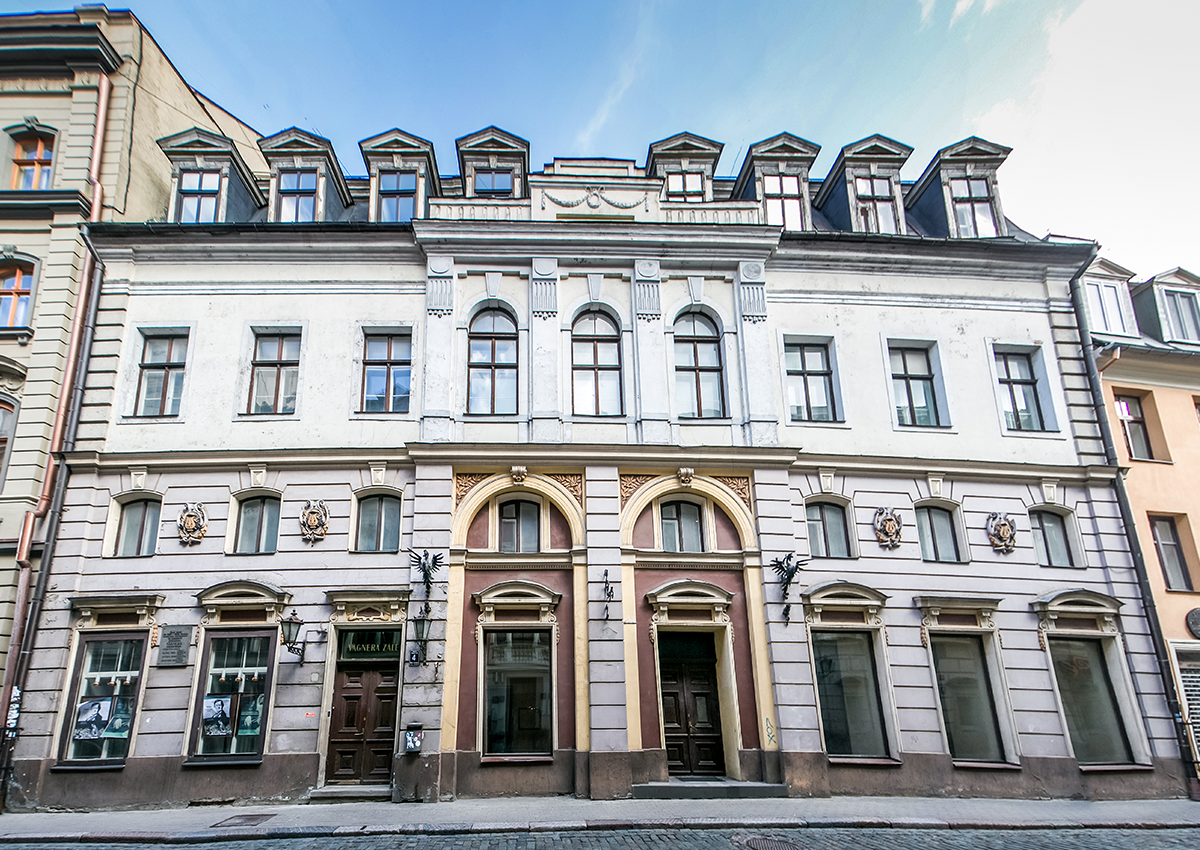
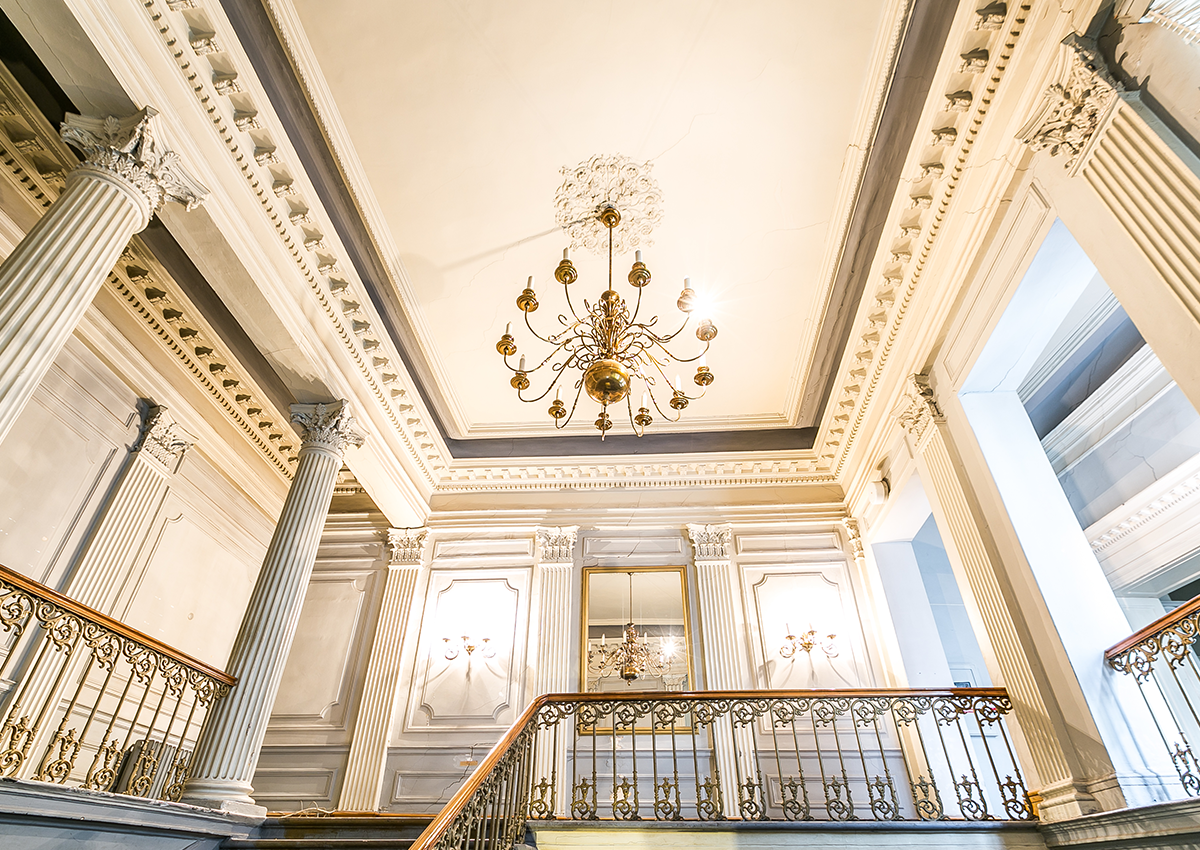
The project rests on four ideas: the restored building itself, the Baroque concert hall and the 19th-century festive hall, the musical experience, and a museum or exhibition. Only the whole is strong enough as a cultural product to shape the brand. Together it will let the restored Wagner House compete with other museums and concert halls in Latvia, the Nordic countries and Europe, enrich what residents and visitors can experience, and justify the investment in restoration.
The museum or exhibition is a medium to convey why the whole house is being restored. It will link the historic building, Wagner’s person, musical life in Riga and Baroque Europe with visitors motivated by cultural discovery. It will bring into circulation historical sources—objects and/or documents from Latvian museum and library stores that have not been shown or are not on permanent display.
Structural condition
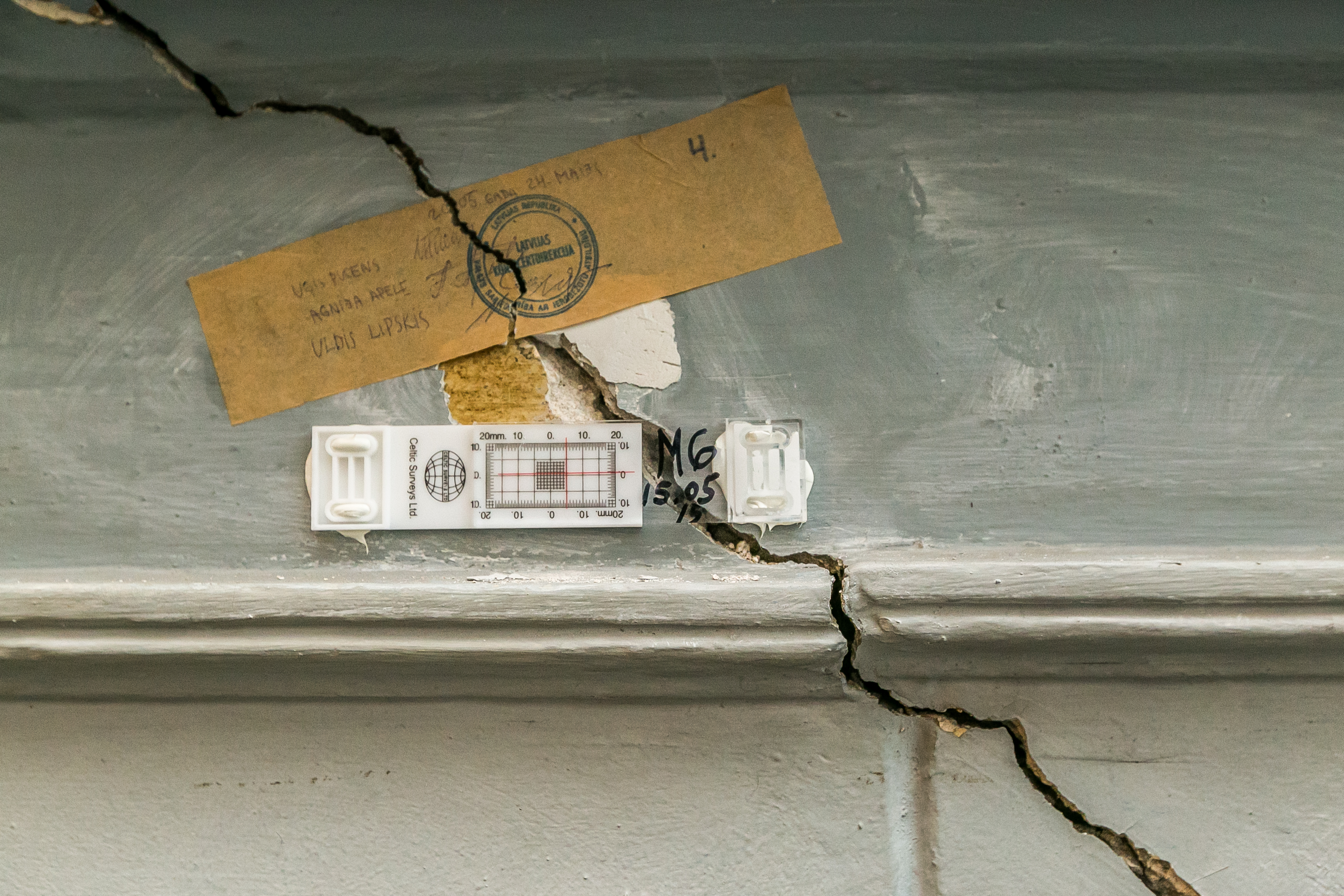
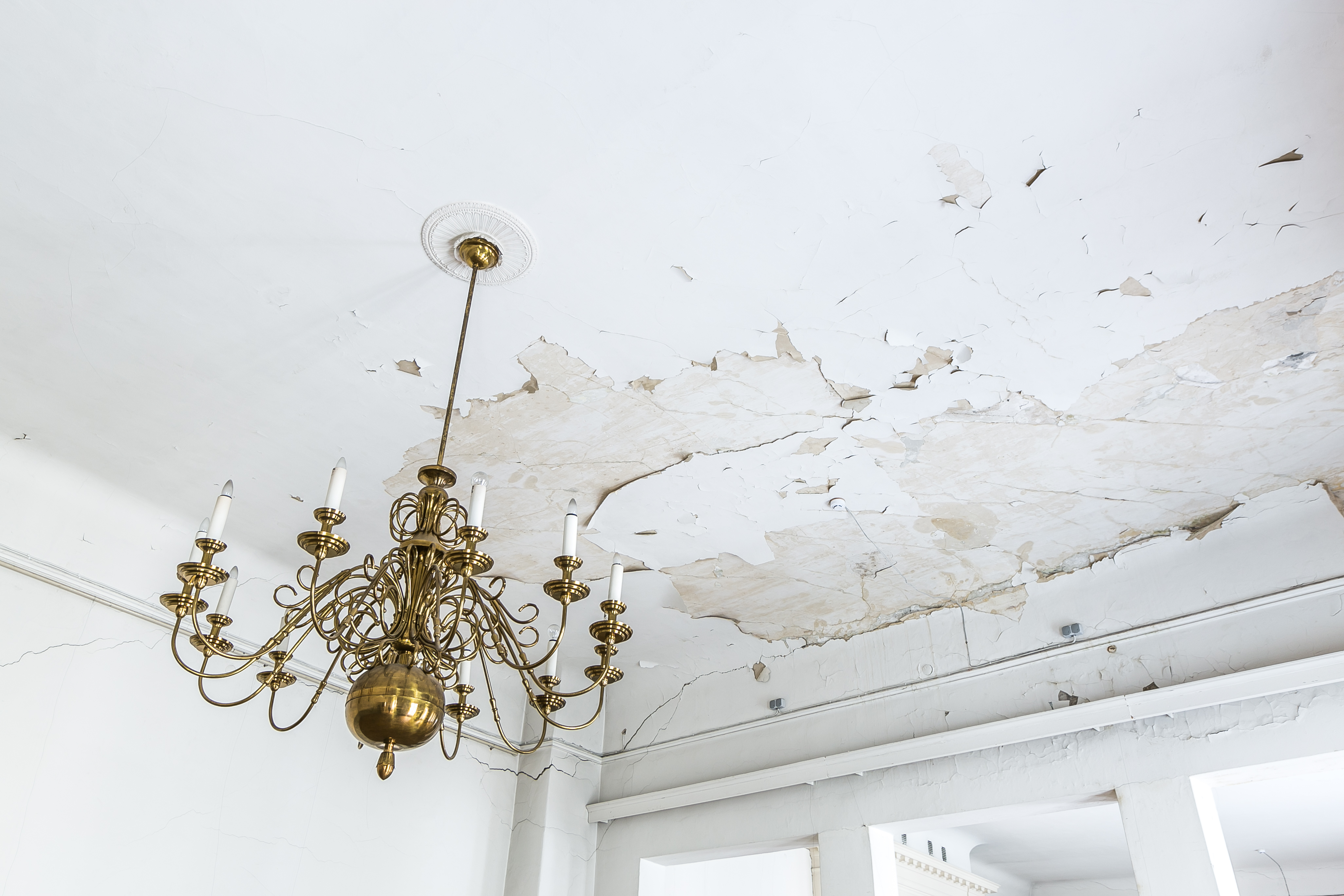
The building’s technical condition is poor: settlement of foundations has caused cracks in the walls; foundation strengthening, repair of ceiling structures, renewal of building services, full cosmetic repair and restoration of historic elements are required.
Restoring the Wagner Hall would bring major benefits: more diverse and accessible cultural life for Latvia, a stronger image of Riga and Latvia as an East European cultural centre and a bond with Richard Wagner, and revenue streams that over time can recover investment and sustain the project.
Key benefits:
- restoring Riga’s only acoustically suitable chamber-music hall;
- preserving and modernising an architecturally significant building and opening the heritage site to the public;
- the possibility to house leading Latvian cultural institutions—Kremerata Baltica, the State Academic Choir “Latvija” and Latvijas Koncerti—on favourable commercial terms;
- the possibility of a Richard Wagner museum in the building;
- the possibility of cooperation with European Wagner societies.
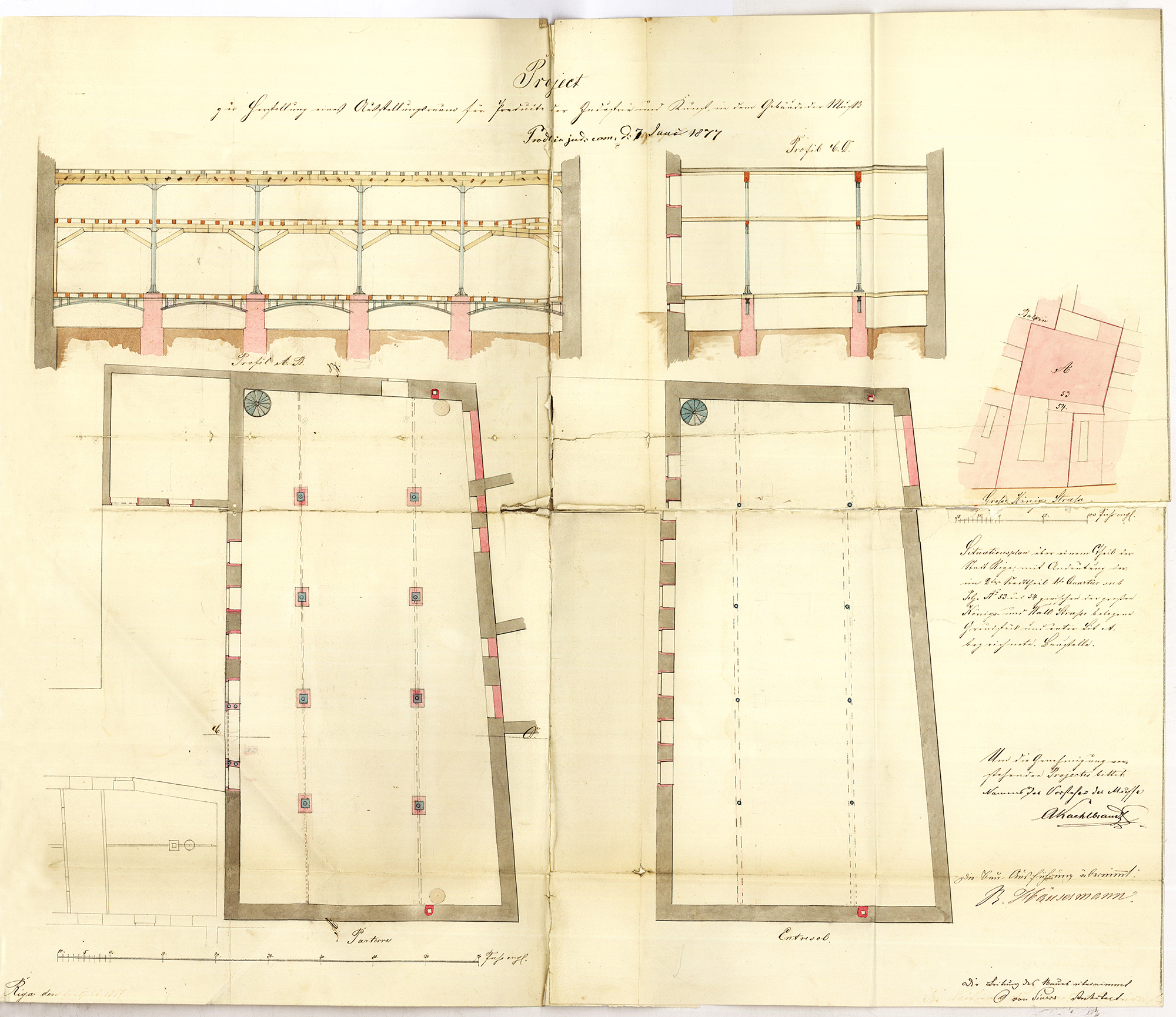
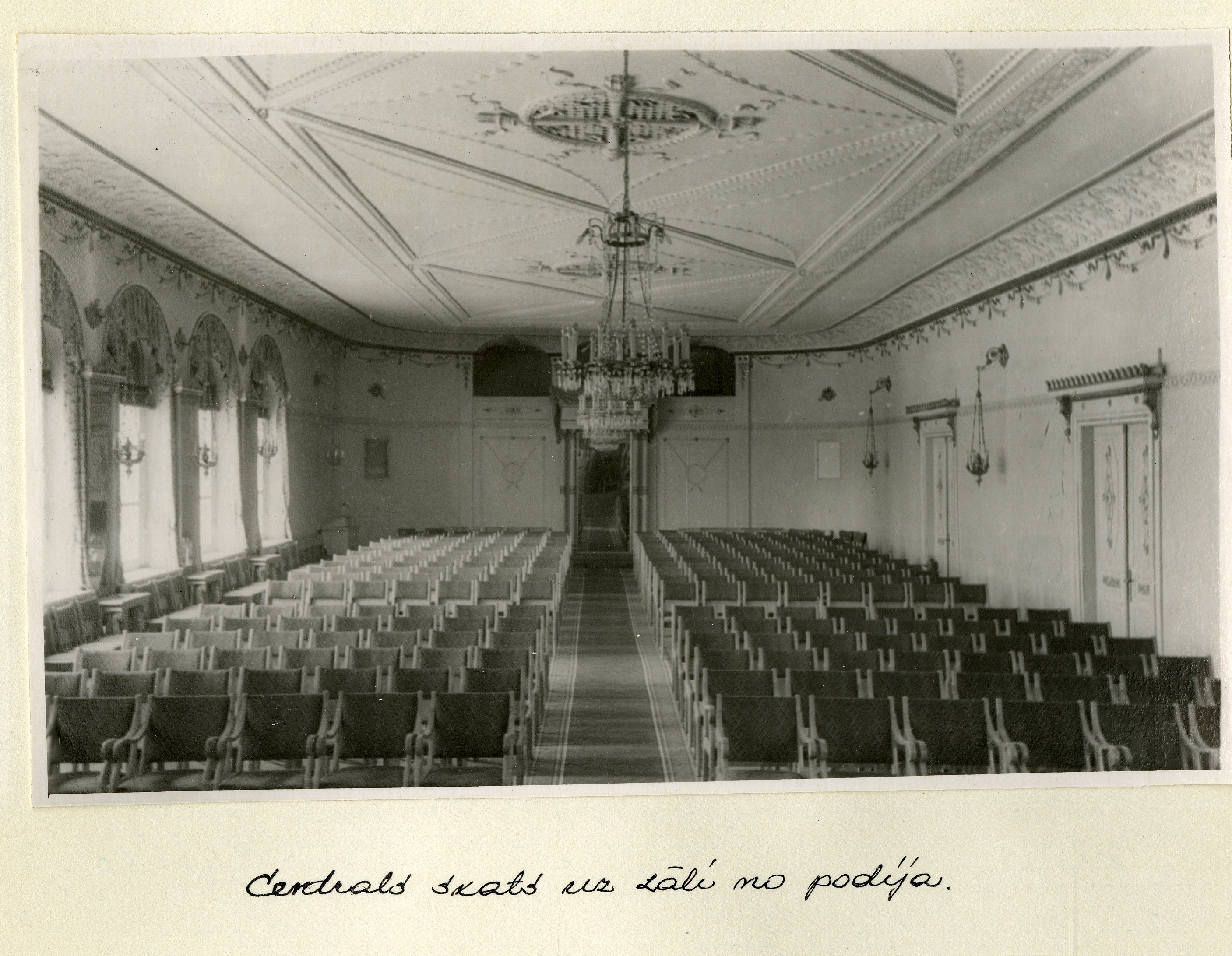
Plans and sections
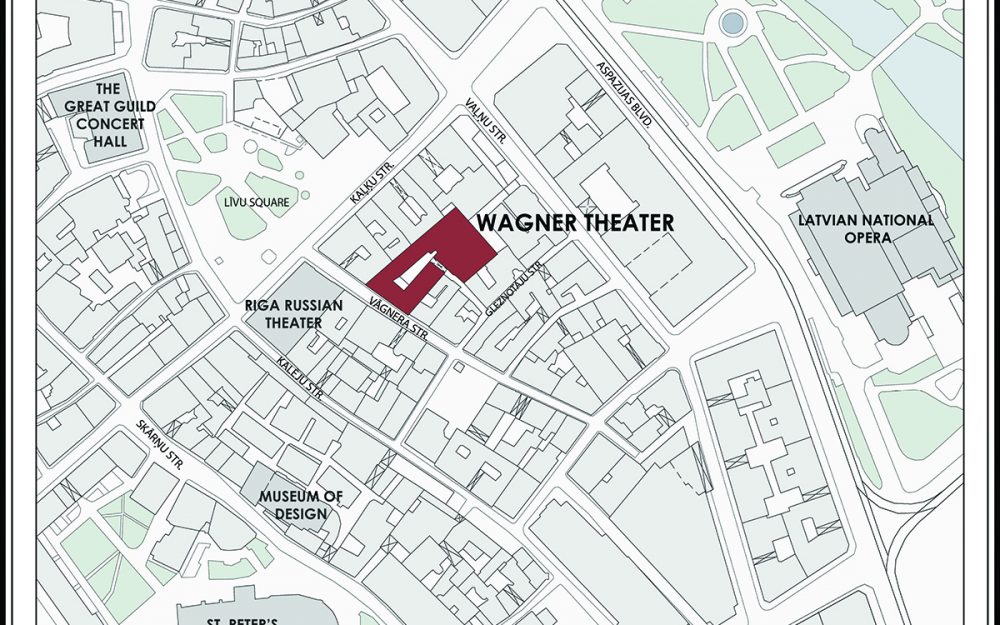
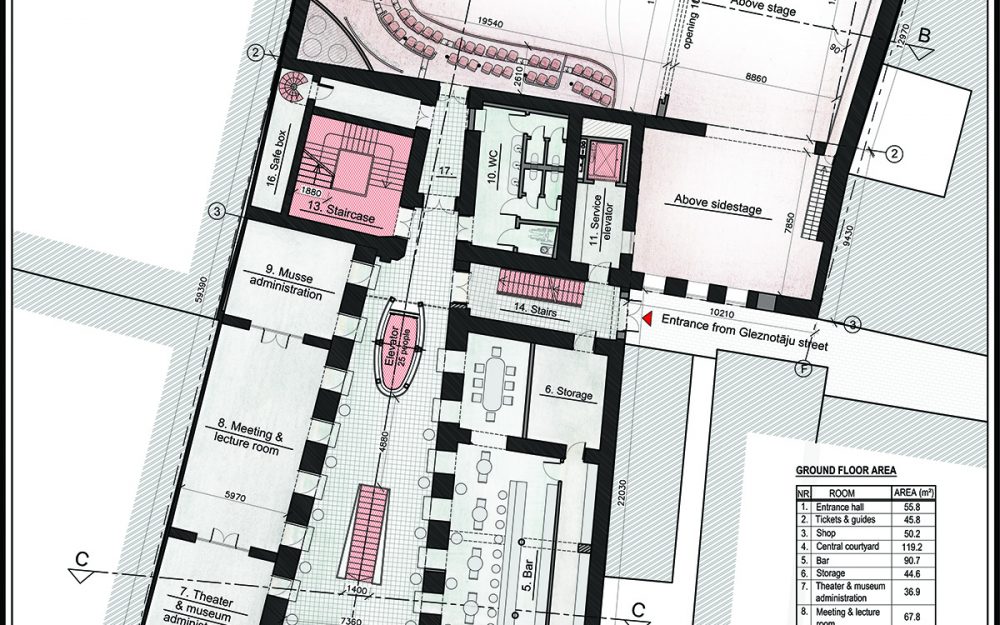
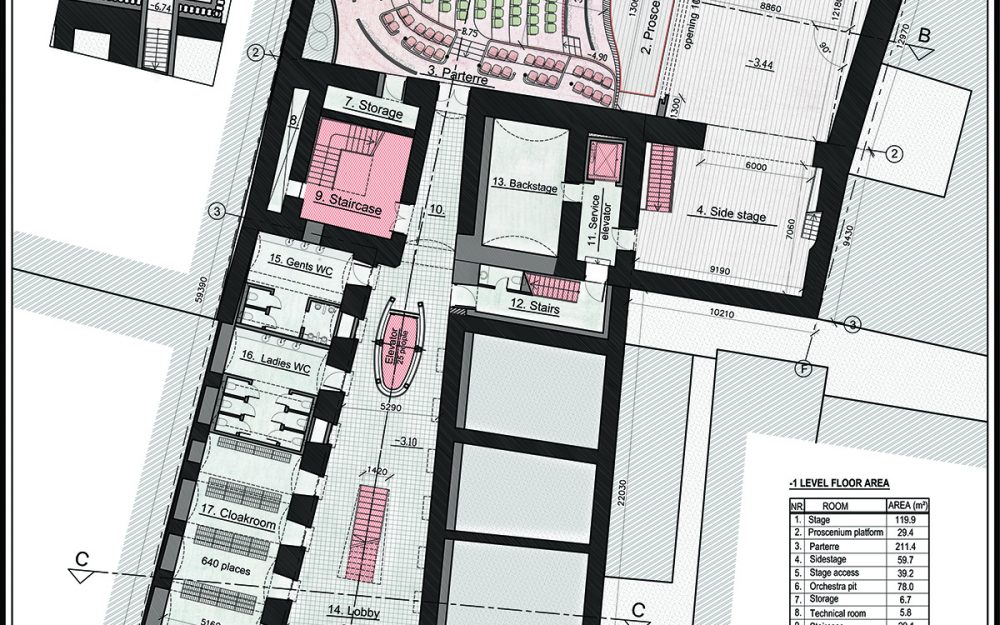
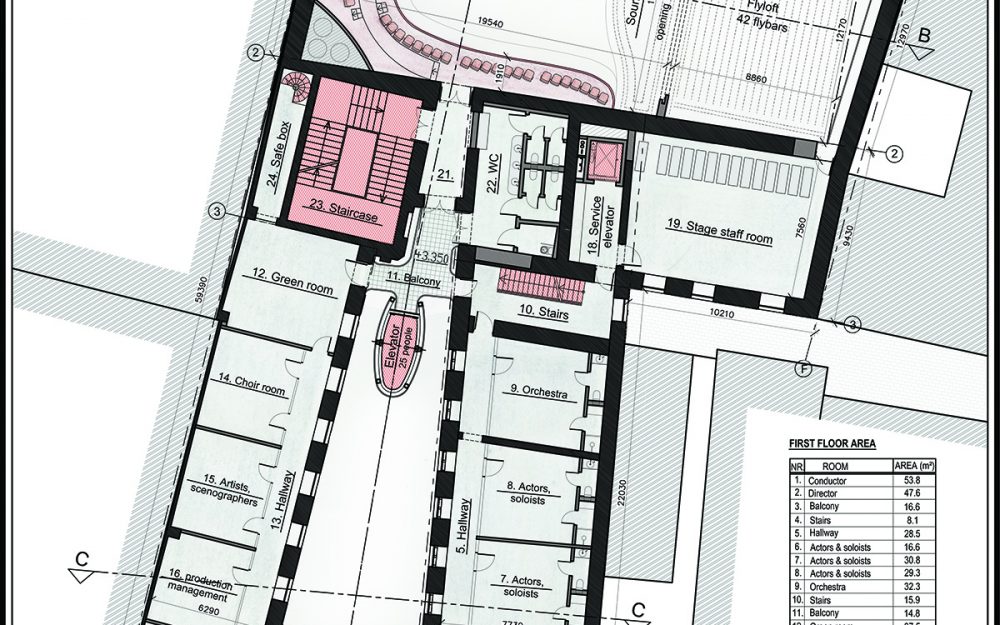
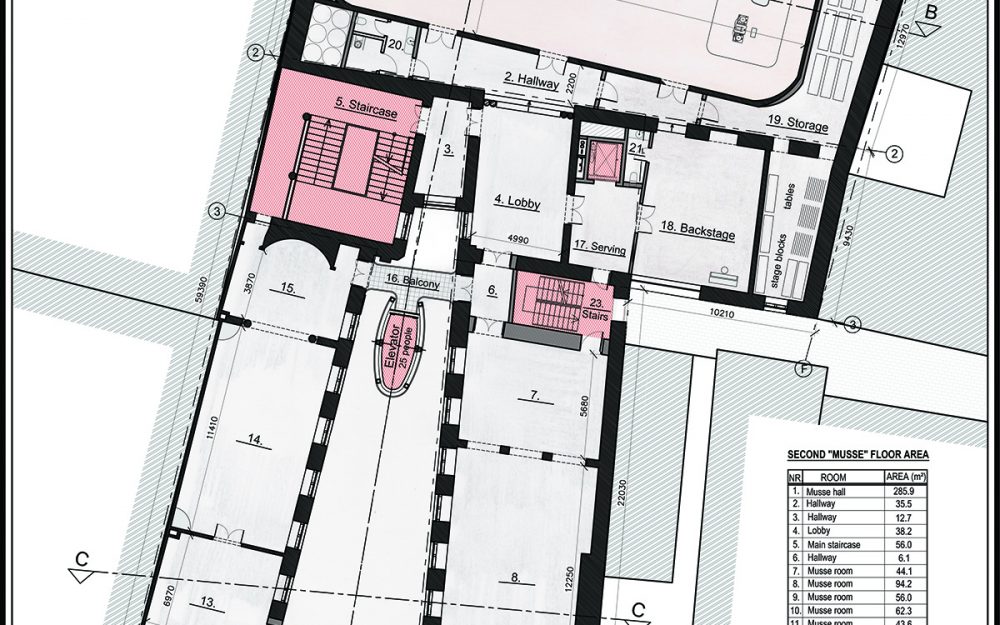
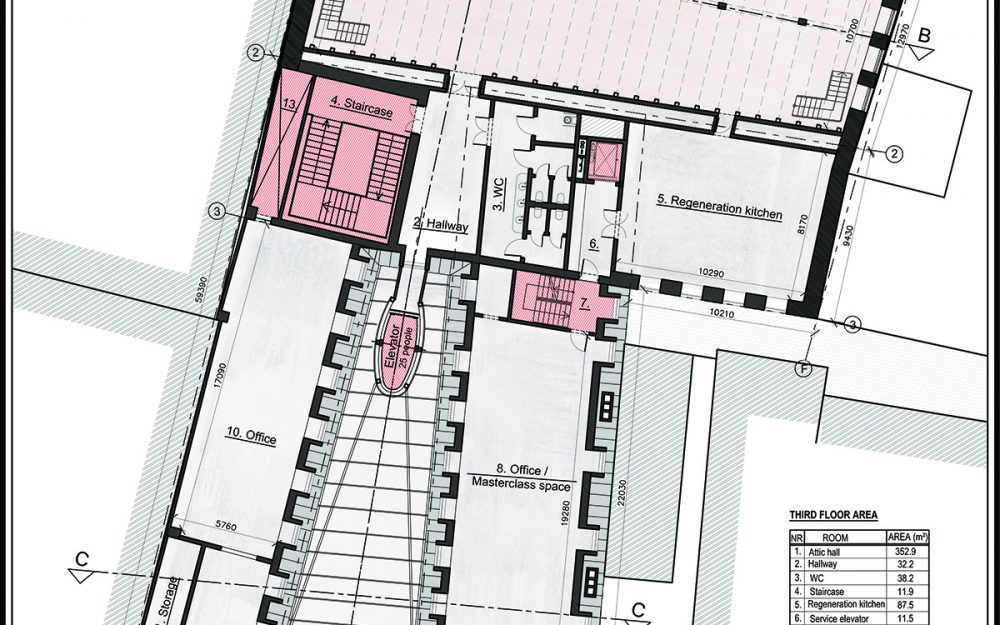
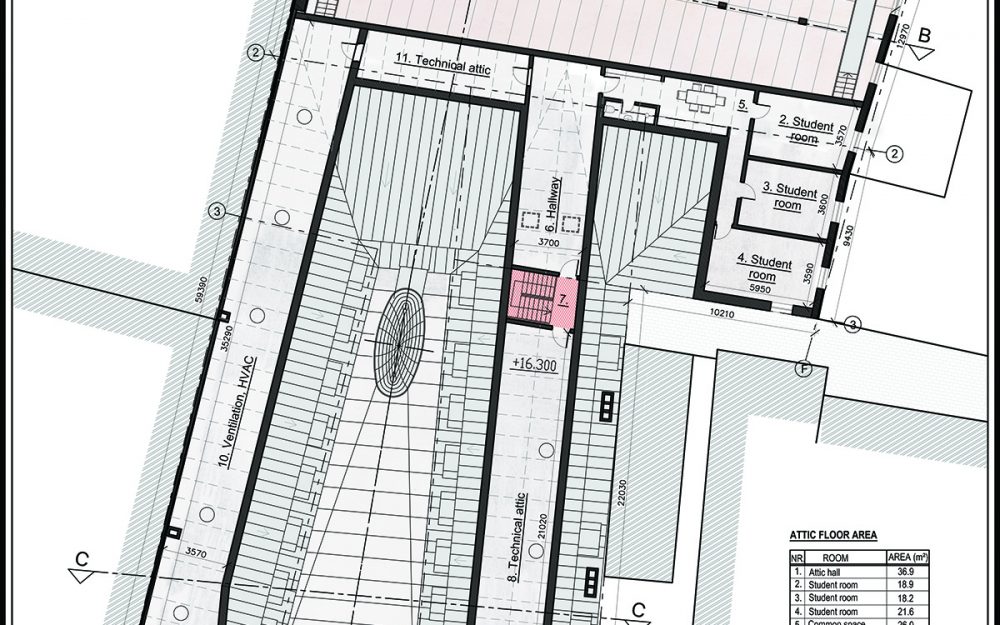
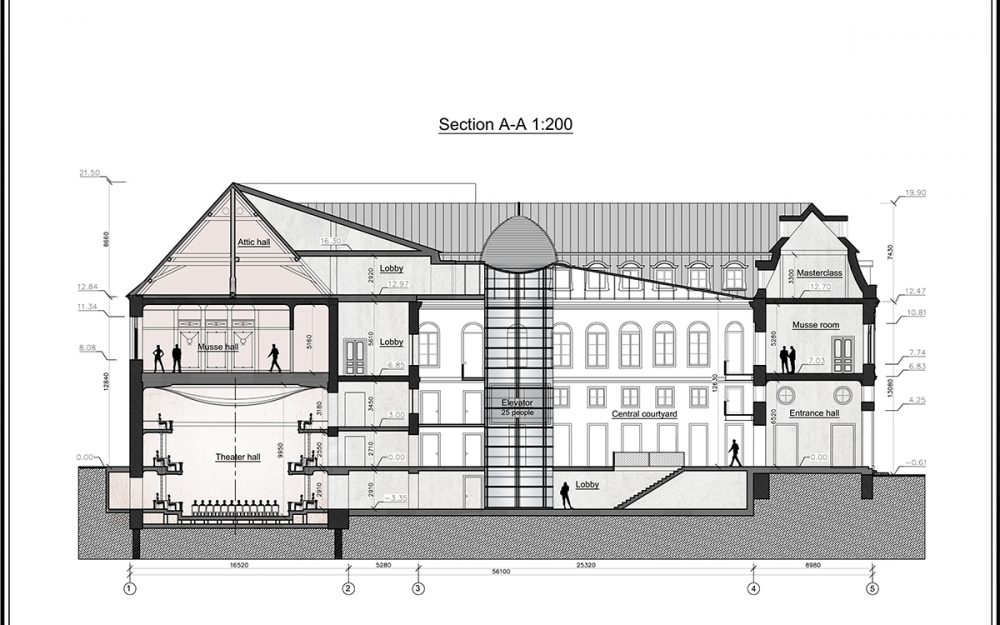
Sketches for the Wagner House reconstruction by Zaiga Gaile office.
Authors: architect Zaiga Gaile, architect Philip Peeters